

Mistakes that might be hurting your brand and how to avoid them.
You may have heard that email marketing is dead, an old-fashioned tactic that no longer works in the world of social media posts, influencers, video campaigns, etc.
That could not be further from the truth.
This communication method may be one of the oldest but it is still the most effective strategy to date.
#1 Not sending a welcome email

Ever heard of the phrase “strike while the iron is hot”? In short, this is what it means: take advantage of an opportunity immediately, before it is too late.
When someone signs up to be a subscriber of your newsletters, do they automatically receive a welcome email?
If your answer is no, you’re missing a golden opportunity.
By far, your most read email will be the first email you send to your subscribers. Why? Because it’s sent when readers are most engaged with you. They just subscribed. You’re fresh in their minds. They remember you.
So, as soon as someone submits their email address, they should receive a welcome message where you introduce yourself, explain what your brand is all about and let them know what they can expect from you.
Your welcome email sets the tone for all emails to follow. As a result, it plays a vital role in great customer relationships and future conversions.
#2 Using poor subject lines
The first thing a subscriber sees in an email is the subject line. If it is ‘clickbait’, misleading and not engaging, chances are they may not open it or, even worse, mark it as spam.
What’s the point of pouring hours into fine-tuning the content within an email if it never gets opened in the first place? Dedicate a bit of time to craft a strong and catchy (not clickbait) subject line.
Here are a few tips to keep in mind:
- Use Grammarly to avoid making typos and grammatical errors
- Keep it short and sweet, preferably under 60 characters
- Avoid SHOUTING and using spammy phrases e.g. earn $
- Make it about them and not your brand
- Personalize it to show you care and increase open rates by 50%
- Conduct A/B testing to find out what works and what doesn’t
#3 Sending emails to inactive subscribers
Cleaning your email list should be one of your key priorities. Neglecting to do so can negatively impact your sender reputation and marketing success.
Internet service providers (ISPs) monitor the behavior of email senders and use that information to determine whether to deliver an email to the recipient’s inbox or spam folder. When you continually send emails to invalid and unengaged addresses, it leads to your emails being flagged as spam.
This also affects your email deliverability rates. The emails that are not going to be opened or clicked on reduce your overall engagement rates and make it difficult to extract accurate data about your email marketing performance. For instance, it would be challenging to distinguish between inactive subscribers and active subscribers who are simply not reacting to the email sent out.
| Bonus tip Give your recipients the chance to opt-out or unsubscribe from receiving your emails or newsletters. It’s actually a good thing when you’re trying to maintain a healthy email list. |
#4 Spamming your newsletter subscribers
Spamming your customers with excessive or irrelevant emails can harm your brand image and reduce engagement with your email campaigns.
Why is spamming your customers a bad idea?
- Decreased engagement: If you send too many emails or do not segment your subscribers, they will quickly lose interest and may mark your emails as spam.
- Damaged reputation: Sending too many emails can damage your reputation as a sender, making it harder for your emails to reach your subscribers’ inboxes in the future.
- Unsubscribes: Excessive emailing can lead to high unsubscribe rates, which can have a negative impact on your ability to reach your audience.
- Reduced conversions: If your emails are not relevant or engaging, your subscribers are less likely to take action, minimizing the effectiveness of your email marketing campaigns.
Instead of spamming your customers, focus on creating targeted and engaging emails that provide value to your subscribers. You may offer information about new products, special offers, industry news or helpful tips.
By sending valuable content, you are building trust and engagement with your subscribers and improving the results of your campaigns.
#5 Not segmenting your audience
One size does not fit all.
It is a mistake to send the same emails to everyone on your list. Recipients may feel like they’re being spammed or sent irrelevant messages.
You can segment your subscribers by:
- Age
- Location
- Language
- Purchase history
- Interests
- Preferences
- Behaviors
This will enable you to tailor your communication to the specific target groups and increase your engagement rates. In the example below, Duolingo sends an email to nudge their audience to re-engage with their platform once again.

#6 Ignoring mobile optimization
A majority of email views come from mobile devices at 41%, followed by desktop at 39%.
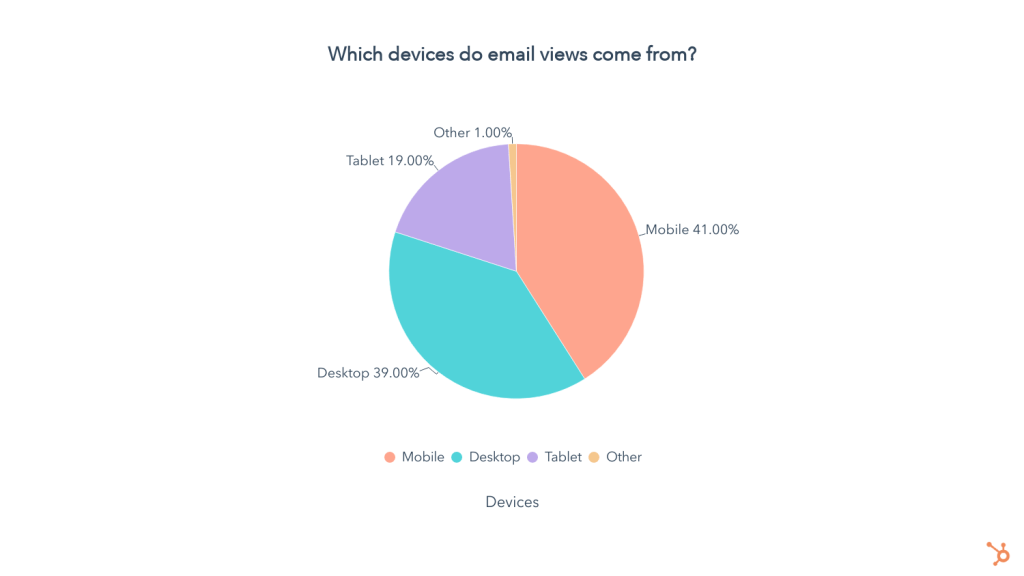
Not making your emails mobile-friendly is a serious—and unfortunately, common—mistake. According to a SuperOffice report, nearly 1 out of 5 email campaigns are not optimized for mobile.
Characteristics of mobile-friendly emails:
- Loads properly and is responsive
- Designs for portrait and landscape views
- Displays clean and simple layout
- Uses texts that are easy-to-read on small screens
- Makes social media icons and call-to-action buttons touch-friendly
Be sure to test the email out on multiple devices before sending it out and ensure it looks as you intended.
#7 Overloading and overcrowding the email
To combat spamming their subscribers, marketers may end up stuffing too many deals, info and links into their emails.
This approach does reduce the number of emails sent out but it can leave behind a negative impression. Without having one topic to focus on, you stand the chance to lose their interests and overwhelm them with too much visuals and texts.
In addition, packing your email with links can trigger the spam filters of most email service providers, which will lead to a lower delivery rate. Only include the most essential links and keep it to a minimum.
Conclusion
With email marketing such a powerful tool to reach your audience, it is crucial to stay on top of the best practices and prevent mistakes that can hinder success.
With an effective email campaign strategy in place, maximize the impact of your marketing efforts, drive greater engagement and conversions, and watch your business grow.
If you are looking for help getting started, reach out today.
 The Official Sara
Leave a comment