

Even if you’re just dipping your toes in the water before taking the plunge and going all-in.
The creator economy has been on the rise for a few years and shows no signs of slowing down. Its market size is anticipated to be around $104.2 billion, which granted is not as big as other major economies but shows significant spending power.
With more people looking to convert their passion into profit and quit their 9-5, it is no wonder there are 207 million professional content creators around the world.
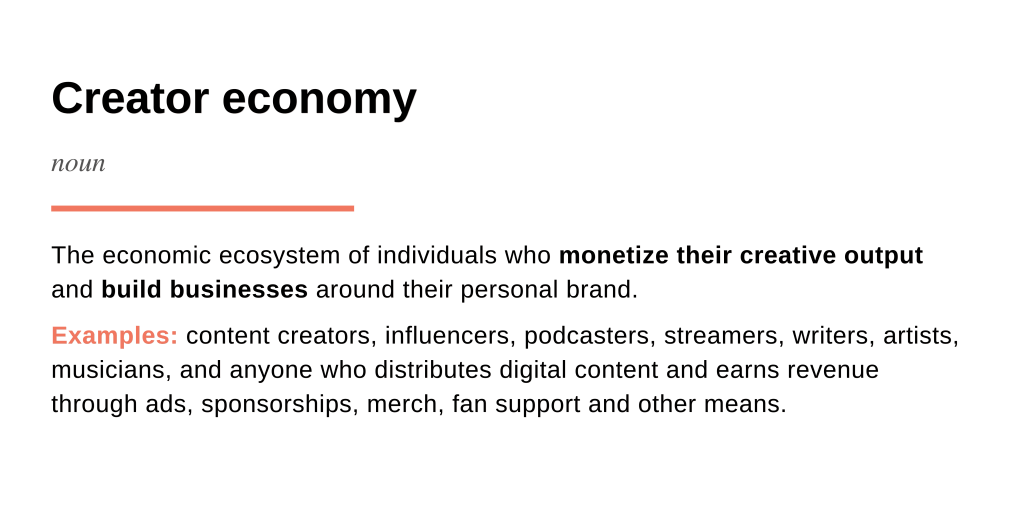
But before we go any further, let’s define what we mean by creator economy.
What is Creator Economy?
There are 5 major components of the creator economy:
- Creators
- Consumers or target audience
- Platforms (to create, distribute, consume and monetize content)
- Prospective businesses and brands
- Tools and services to assist in content creation
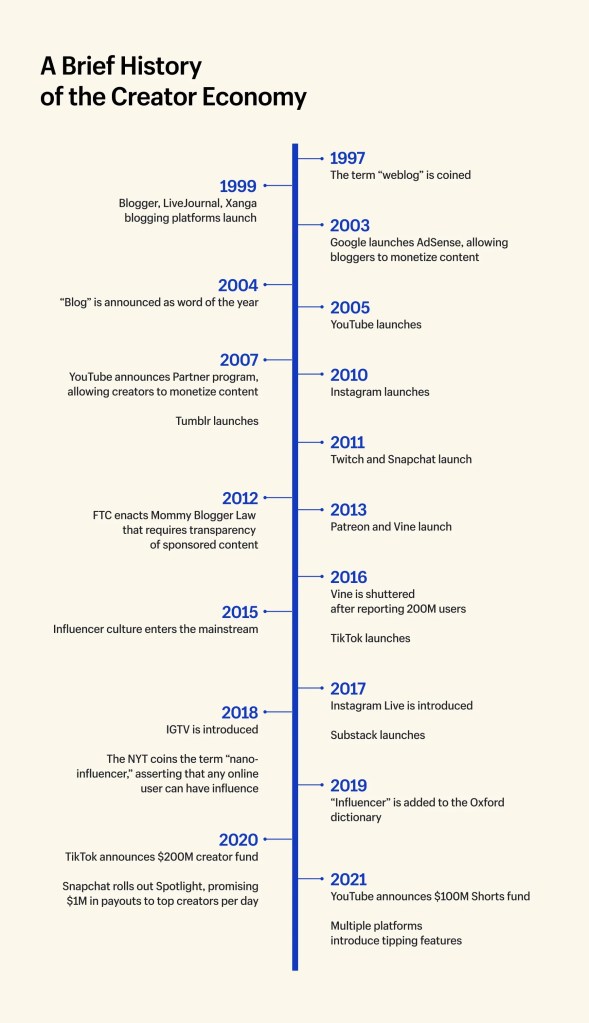
Can You Join the Creator Economy?
Short answer, yes, anyone can join the creator economy, provided they create and distribute digital content.
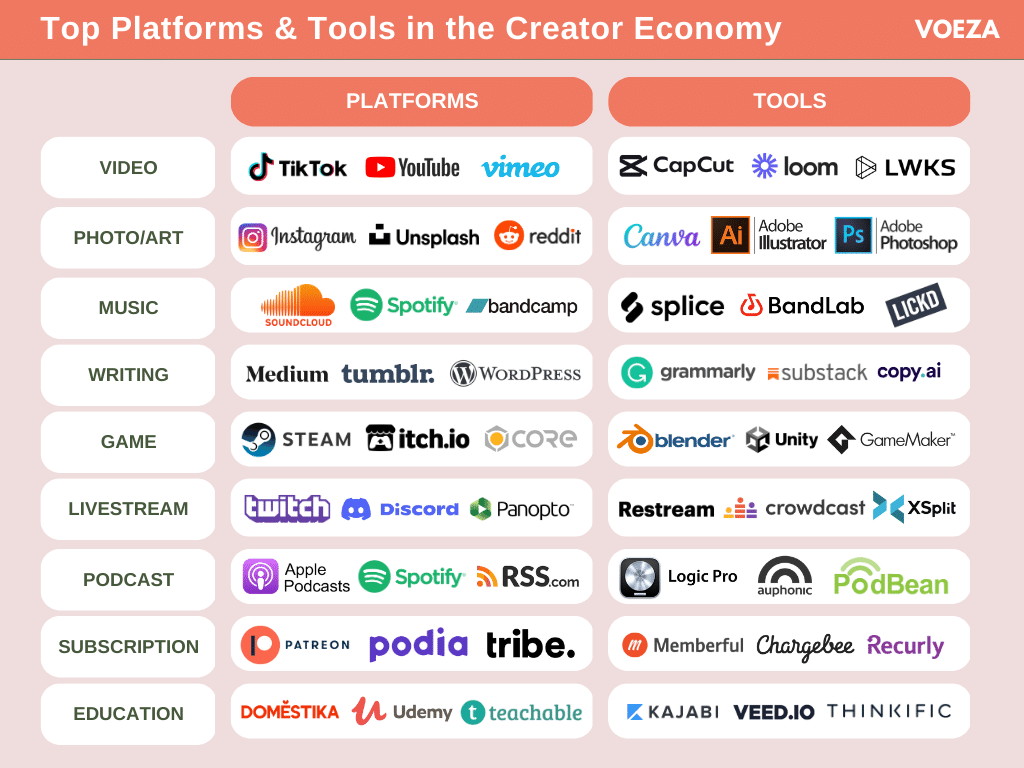
If you have one of the passions listed below, you can absolutely join the creator economy today, if you’re not already.
- Video
- Photo/Art
- Music
- Writing
- Game
- Livestream
- Podcast
- Subscriptions
- Education
Tips to Succeed in the Creator Economy
It’s not too late to join the creator economy in 2023. This is your chance to embrace it and potentially make your passion the source of your income.
1. Create, create, create
Whether it’s drawing, writing, taking photos or vlogging, do the work that needs to be done in order to create.
Treat it like a real job. Establish the time to work and cut down on the hours you spend mindlessly bingeing a TV show.
2. Use social media in more than one way
Social media platforms are one of the main components of the creator economy, as mentioned above.
Aside from using social media to generate income, use it to generate traffic. According to a Kajabi survey, creators estimated they’ve lost $1,000 – $9,999 in revenue due to algorithmic changes, and 24% estimated $10,000 – $49,999 in losses.
That leads us to the next point.
3. Sell digital products
By selling digital products that you can directly monetize, you’re diversifying your income streams and building a business free of the limitations of social media.
For example:
- If you’re a YouTuber who creates videos, sell online courses.
- If you create TikToks of cooking, sell meal plans or recipes.
- If you’re a writer or blogger, sell an eBook.
- If you’re a business expert, sell coaching or consultation packages on your areas of expertise.
Conclusion
While the future is indeed bright, success is not easily achieved, be it in the creator economy space or elsewhere.
Anyone with a passion for creating digital content can join this economy but it requires hard work, consistency and focus.
The creator economy may still be relatively new, but it has the potential to be bigger than most traditional industries. While we’re still at the beginning, make the leap and embrace it.
 The Official Sara
Leave a comment