

Develop your marketing strategies with the humanity of your audience in mind.
From social media to blogs, content is king and it is everywhere. As brands compete for attention in an increasingly saturated landscape, it is more important than ever to have a solid marketing strategy with content that stands out and resonates with the audience.
One key component is psychology and a lot of us forget about its role in content creation. With so much focus on data, analytics or search engine performance, it is easy to overlook the human beings behind the numbers.
Whether you’re a content creator, marketer or business owner, tapping into the psychology in marketing can help you deliver more engaging and effective content and, therefore, drive better results.
1. Social Proof
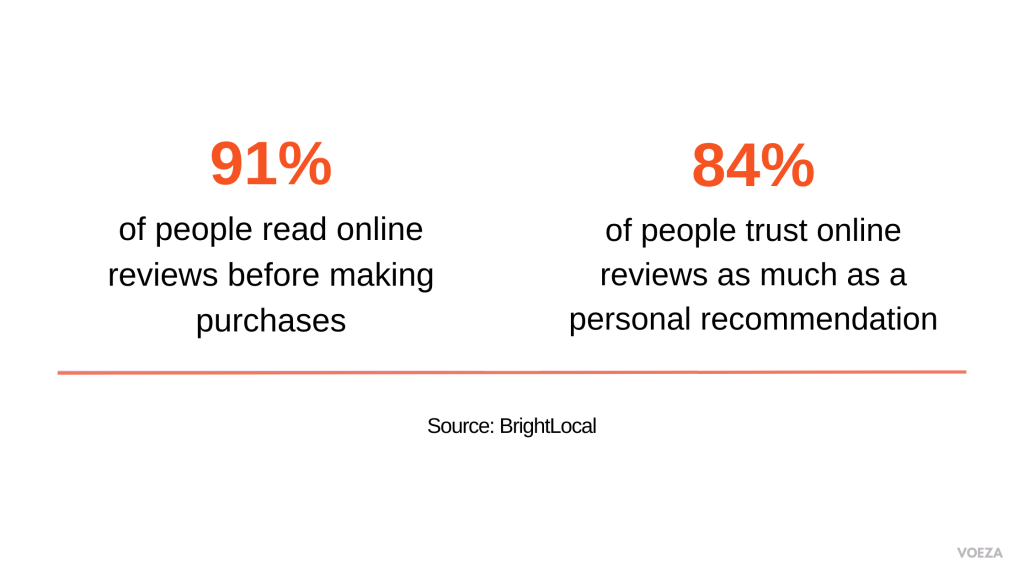
This is a psychological concept where people tend to conform to the behaviors of others in an attempt to behave in a way that is socially acceptable. According to an American psychologist, Robert Cialdini, who focused on the principle of social proof in his book, Influence: The Psychology of Persuasion, “we view a behavior as more correct in a given situation to the degree that we see others performing it”. It is based on the idea that people are more likely to adopt a behavior if they see others doing the same thing.
How You Can Use Social Proof
Showcase your customers’ love of your brand through:
- customer reviews
- testimonials
- user-generated content
- influencer collaboration
- milestones
By demonstrating that other people value your product or service, you can create a sense of trust and credibility that encourage others to follow suit.
Example
Two of the most popular vacation rental sites, Airbnb and TripAdvisor both use reviews and ratings to give potential customers an idea of what they can expect before booking.
2. The Power of Emotions
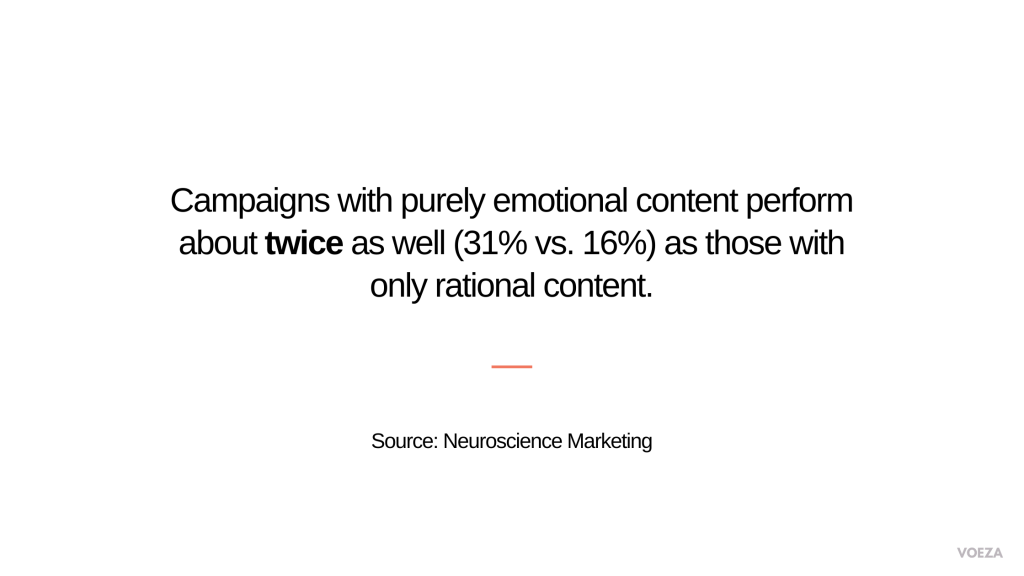
Emotions are a powerful tool in marketing because they are closely tied to decision-making, can be used to connect with consumers on a deep and personal level, and influence consumer behavior. Brands can harness the power of emotions to increase engagement, create memorable experiences and drive brand loyalty.
How to Utilize Emotions
Here are tips to try out when using the power of emotion in your content:
- Determine which emotions are likely to resonate with your audience by considering their pain points and needs
- Use storytelling to create a narrative that taps into emotions like empathy, joy or inspiration
- Use descriptive and emotive language to create a visceral response in your audience
- Appeal to shared experiences e.g. the joy of a family gathering for dinner
- Be authentic and avoid using exaggerated emotional elements
Example
Coca-Cola ran a campaign called “Share a Coke”, which used personalized bottles with people’s names to create a sense of connection and nostalgia among their customers.
3. Gamification
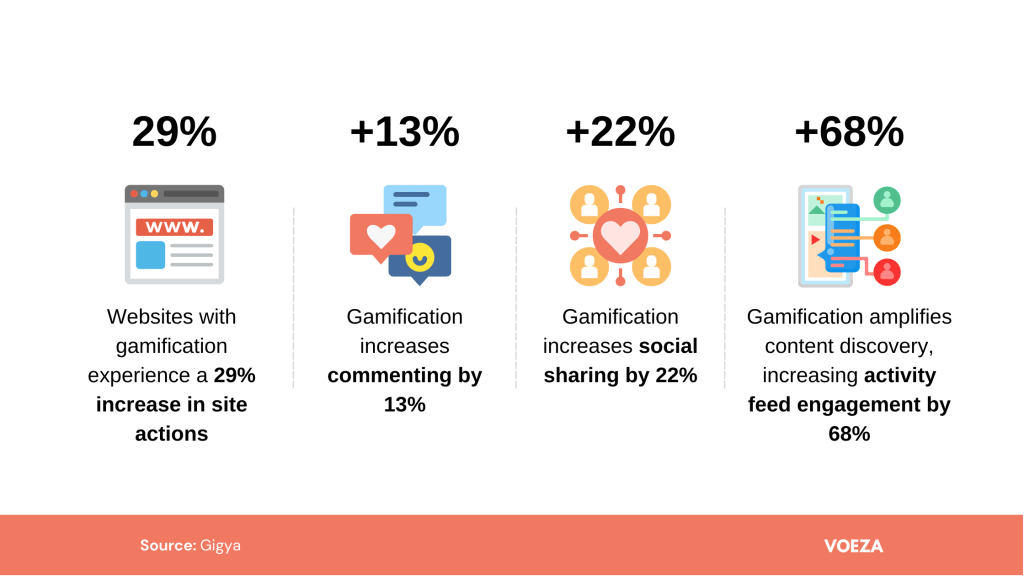
Gamification involves using game mechanics and elements in non-game contexts including marketing. It increases engagement and motivation by tapping into people’s intrinsic desire to play and compete.
How to Use Gamification in Content
Trying gamifying your content in numerous ways:
- Add simple games to your site
- Offer points in a loyalty rewards system
- Implement digital badges and leaderboards
- Incorporate completion meters and levels to earn
Example
Duolingo, the language-learning app, uses minigames and a rewarding system to make learning a new language fun and gratifying.
4. Reciprocity
Reciprocity is a psychological concept where people feel obligated to return a favor or gift. It taps into a person’s tendency to respond to a positive action with another positive action.
How to Use Reciprocity in Content
Brands can offer free resources (e.g. e-books, webinars, tutorials), discounts or gifts to your customers.
Example
Sephora, the multinational beauty retailer, offers a free birthday gift to its Beauty Insider members as a show of appreciation, creating a sense of goodwill and encouraging them to keep coming back.
5. Leveraging Visuals
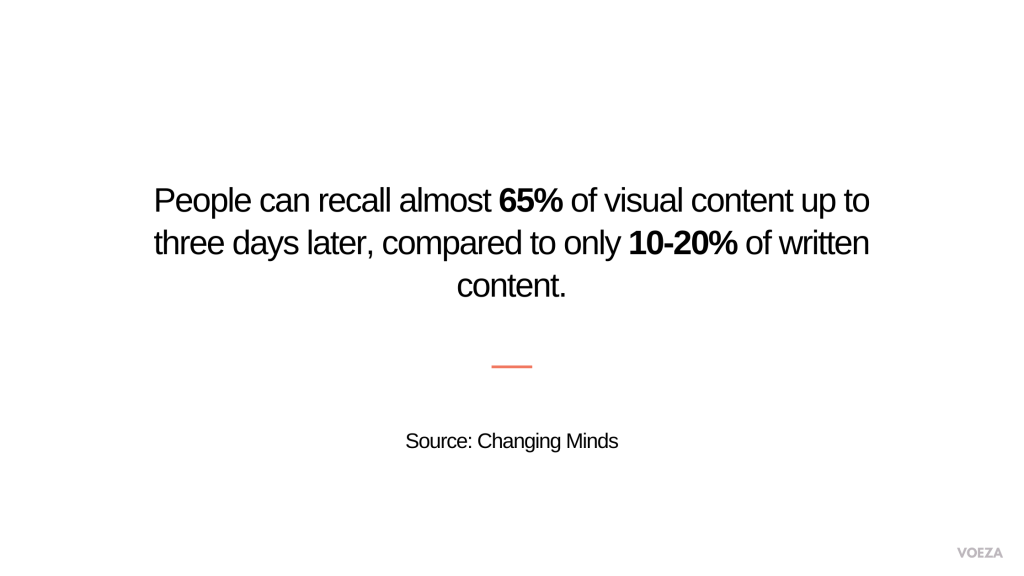
Visuals like images and videos are powerful tools for communicating ideas and emotions in content as well as creating connections with your audience.
How to Use Visual Cues in Content
Leverage visuals in your content to create a strong emotional impact, such as bright colors for energy or excitement, or visuals of people to foster a sense of connection.
Example
Nike released a campaign called “Dream Crazy”, featuring Colin Kaepernick, using powerful images and videos to inspire their audience.
6. Cognitive Biases
Cognitive biases are shortcuts in thinking that can influence people’s decision-making processes. They are a type of mental rule-of-thumb that can affect the way we interpret and process information.
How to Address Cognitive Biases in the Context of Marketing
Create content that appeals to your inherent biases and influences your decision-making. For instance:
- The “anchoring bias” suggests that people are more likely to rely on the first piece of information they receive when making a decision. By anchoring a product to a higher price point or emphasizing a certain feature, brands can influence how customers perceive the product and make it more appealing.
- The “availability heuristic”, which suggests that people are more likely to believe something, is true if it is easy to remember or readily available. Brands can leverage this by creating content that is memorable and easy to recall, such as catchy slogans or jingles.
There are other common cognitive biases to leverage including confirmation bias, framing bias and hindsight bias.
Example
Airbnb uses the “halo effect” by featuring high-quality photos of their listings to create a positive first impression and motivate users to book a stay.
7. Fear of Missing Out (FOMO)
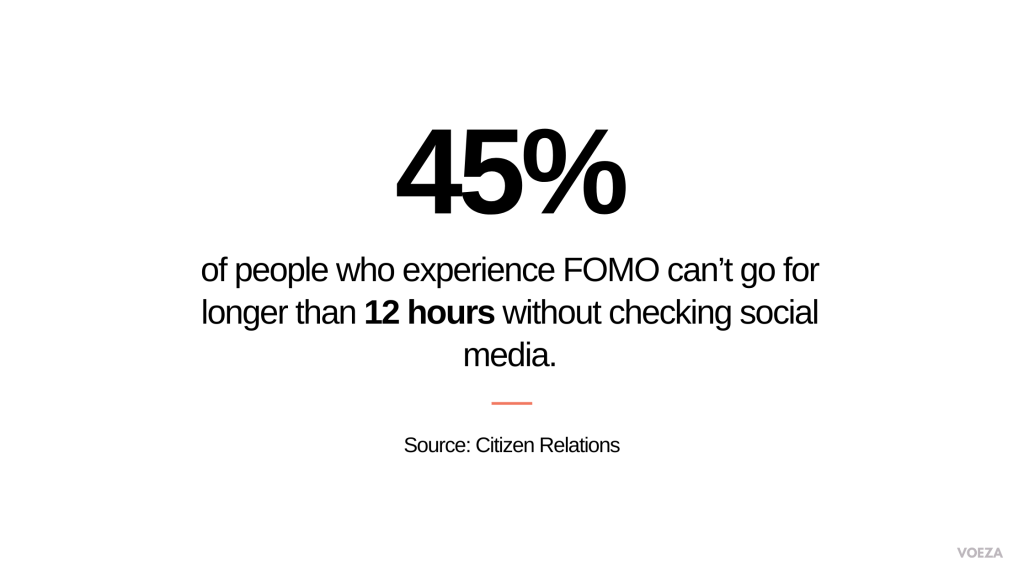
FOMO is a psychological concept where people have a fear of missing out on something, thus creating a sense of urgency and scarcity to motivate customers to take action. It occurs when a person feels anxious about missing out on an experience that others are benefiting from.
How to Use FOMO in Marketing
Tap into your audience’s FOMO by providing:
- limited-time offers or deals such as flash sales
- exclusive events or content such as behind-the-scenes footage
- countdown timers
Example
Amazon often displays the message “Only 2 left in stock—order soon” to motivate customers to take action and make a purchase.
8. Personalization
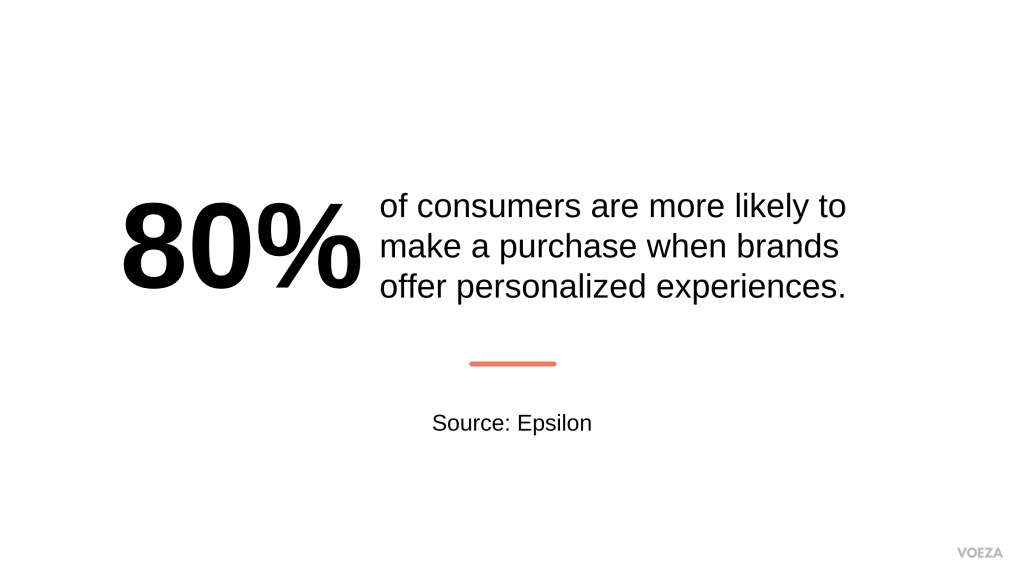
With personalization, people tend to engage more with content that is tailored to their preferences, behavior and interests. It often leads to increased engagement, conversions and customer satisfaction.
How to Personalize Your Brand’s Content
Use data and analytics to offer personalized content through:
- product recommendations
- region-specific landing pages
- targeted ads
Example
Netflix and Spotify are two examples of brands that effectively use personalization for their customer experience. Both platforms use algorithms to analyze a user’s behavior and references to then provide personalized recommendations based on their viewing or listening history and preferences.
9. Authority
When asking for advice or recommendations, are you more likely to listen to the words of an amateur or an expert in the field? Oftentimes, it is the latter. People tend to trust and follow the instructions of authority figures.
How to Leverage the Expertise of an Individual or Brand
There are multiple ways to do this by partnering with the following figures:
- Influencers
- Brand ambassadors
- Celebrities
- Industry experts
Working with these individuals helps endorse your products or services and create content that positions them as a thought leader in their field.
In addition, according to Cialdini, there are three indicators of authority:
- Titles such as Dr. or Founder
- Clothes such as uniforms or suits
- Trappings such as police badges or nice cars
Example
Goop, a wellness and lifestyle brand, partners with experts and influencers to create content that positions the brand as a trusted authority when it comes to the topics of health and wellness.
10. Goal Framing
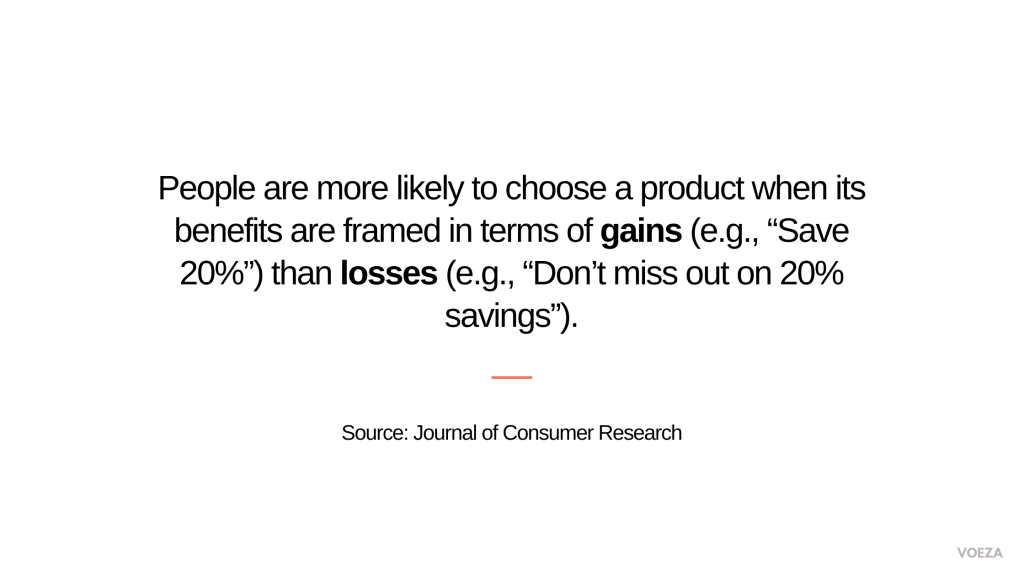
Goal framing refers to the way that goals are presented and how this affects people’s motivation to achieve those goals. There are two main types of goal framing:
- Gain-framed: Focusing on the benefits of taking an action, highlighting the positive outcomes that can be achieved
- Loss-framed: Focusing on the negative consequences of not taking an action, highlighting the losses that can be incurred
How You Can Use Goal-Framing to Your Advantage
Understand the goals and desires of your audience and frame your messaging in a way that resonates with them, positioning your products or services as a solution to your audience’s needs to increase the likelihood that they will engage with and act on your content.
Example
Airbnb’s “Live There” campaign frames the company’s offerings as an opportunity to experience local culture and make new friends. This type of messaging is designed to appeal to travelers who are seeking new adventures.
Conclusion
The role of psychology in content marketing cannot be overstated. By understanding the fundamental principles of human behavior and cognitive processes, brands can create content that is more effective, engaging, and persuasive. From leveraging the power of emotions and visuals to creating a sense of scarcity and urgency, the possibilities are endless.
But it’s not just about applying psychological concepts to content. It’s about connecting with your audience on a deeper level and creating content that truly resonates with them. When done right, this can result in higher engagement, increased conversions, and stronger brand loyalty.
And most importantly, remember to stay true to your brand and your audience, and create content that is both meaningful and impactful. With these tips and tricks, you can take your content marketing game to the next level and achieve the results you’ve been dreaming of.
 The Official Sara
Leave a comment