
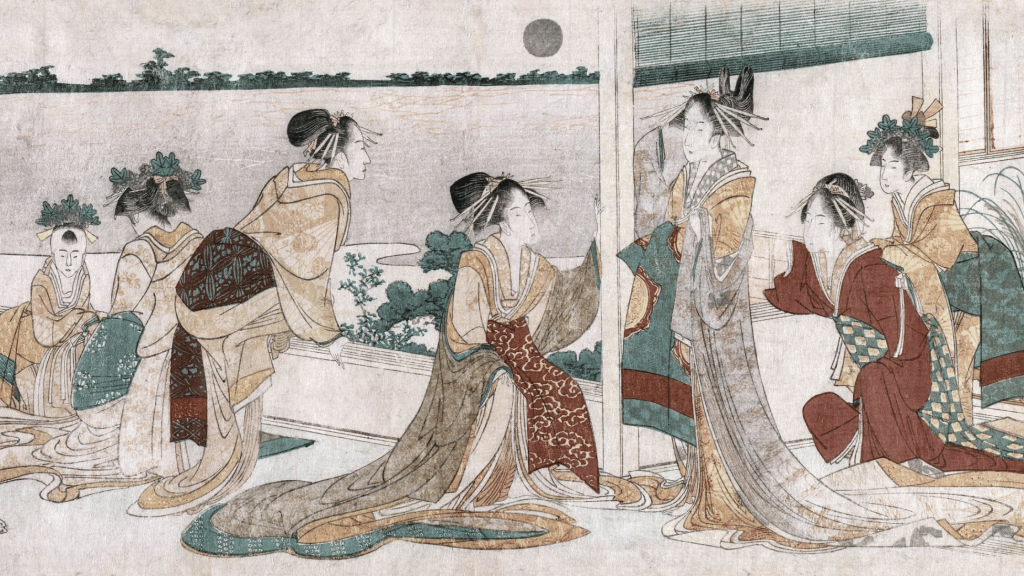
Learn from time-tested traditions and philosophies.
If you had to name a country that is already living in the future, Japan may pop up in your mind. From its futuristic architecture to unparalleled efficiency, Japan stays steps ahead with its forward-thinking approach to modernity and innovation. Whether it’s robots, bullet trains or video games, Japan has consistently pushed the boundaries of what is possible.
It is no wonder that so many of us look to Japan as a source of inspiration for our own creative endeavors. And, with that, let’s explore 8 lessons to take away from Japanese culture to inspire your next marketing initiative and stand out in the saturated market.
1. Wabi-Sabi (侘寂)

Wabi-sabi is not an easy concept to define. But, at its core, this ancient Japanese philosophy is about finding beauty in imperfection, simplicity and impermanence. It is a way of seeing and experiencing the world, celebrating the beauty that can be found in things that are raw, unrefined and imperfect. It encourages us to embrace the passage of time and the natural cycles of growth, decay and death.
In art, wabi-sabi can be seen in the use of materials that are natural and unrefined e.g. raw wood or clay. It can also be seen in the use of asymmetry, irregularity and roughness as well as in the appreciation of the wear and tear that comes with age.
Wabi-Sabi in Marketing
- Emphasize authenticity: Marketers who embrace the wabi-sabi principle may highlight the genuine nature—imperfections and quirks—of their products and services and avoid overly polished or staged advertising.
- Simplify the message: Wabi-sabi’s focus on simplicity and clarity can be a useful lesson for marketers who want to condense their message to its essential elements, enabling their audience to understand the value of their products and services.
- Create emotional connections: Wabi-sabi celebrates the beauty in imperfection and the natural world, enabling marketers to forge emotional connections with customers by showcasing the raw and authentic aspects of their brand.
To sum up: Applying the principle of wabi-sabi to marketing can mean focusing on the essence of a message or brand rather than just presenting a polished and flawless image. This can help marketers create content that resonates with their audience on a deeper level, connecting with them emotionally and building a more meaningful relationship.
2. Shinrin-Yoku (森林浴)

Shinrin-yoku (“forest bathing” or “taking in the forest atmosphere”) is a term that emerged in Japan in 1980s to refer to the practice of immersing oneself in nature. However, research on the positive health effects of nature on human wellbeing and creativity dates back to the 1950s.
To practice shinrin-yoku, find a forest or park and engage in activities such as walking, sitting, or meditating while being mindful of the sights, sounds, smells, and textures of nature around you. The goal is to disconnect from distractions and achieve stress relief, idea generation, and focus, promoting a simpler way of living.
Shinrin-Yoku in Marketing
By incorporating elements of nature into marketing efforts, shinrin-yoku can help marketers create a sense of calm and tranquility, which can be especially effective for promoting wellness, outdoor activities and eco-friendly products or services.
3. Ikigai (生き甲斐)
Ikigai is a Japanese concept that roughly translates to “a reason for being”. It’s a combination of two words: “iki” (life) and “gai” (value or worth). Essentially, ikigai is the reason why you get up in the morning, the thing that gives your life meaning and purpose.
The idea of ikigai has its roots in Okinawa, Japan, a region that is known for its high concentration of centenarians (people who live to be 100 years old or more). Researchers who studied the lifestyle and habits of the people in Okinawa found that one of the key factors in their longevity was their sense of purpose and meaning in life.
Ikigai in Marketing
To apply the concept of ikigai in marketing, businesses should answer the following questions:
- What do our customers love?
- What are our customers good at?
- What does our customer community need?
- What can we offer our customers that they are willing to pay for?
By answering these questions, businesses can find the intersection between their customers’ desires and their own strengths, enabling them to market their offerings in line with their customers’ values and stand out in a competitive market.
4. Omotenashi (おもてなし)
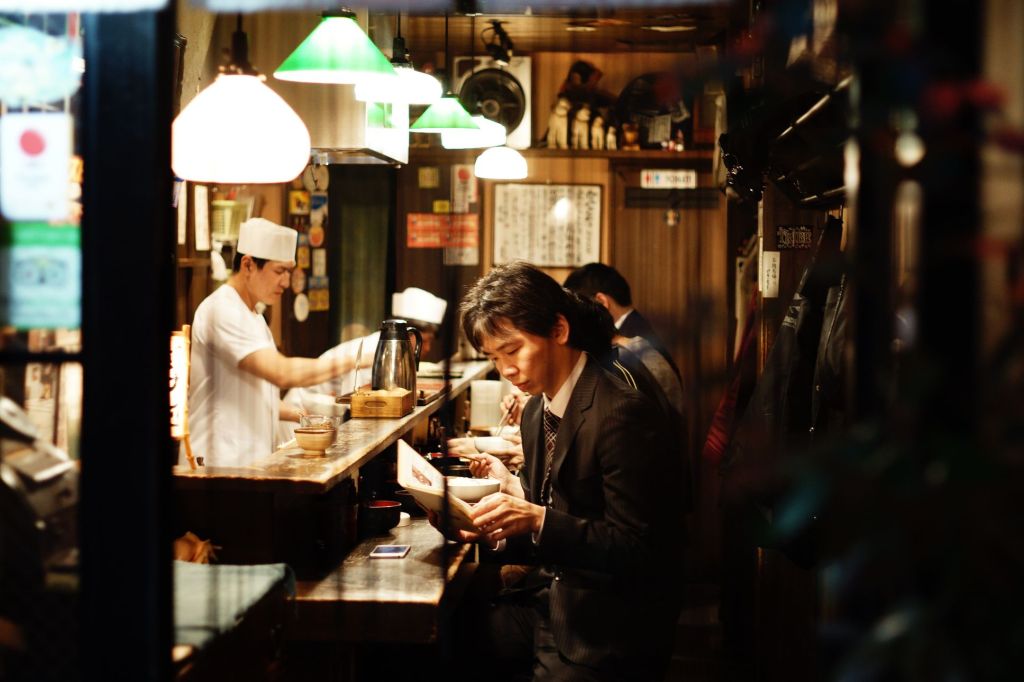
Omotenashi is a Japanese concept that refers to a style of hospitality that puts the customer or guest at the center of attention. While it involves providing exceptional service and anticipating the needs of the customer before they even express them, omotenashi goes beyond just good service. It’s about creating a welcoming atmosphere and treating customers with respect, kindness, and humility.
Omotenashi in Marketing
- Personalization: A marketer who practices the concept of omotenashi should use data and customer insights to personalize their marketing efforts and create a more tailored experience for their customers.
- Attention to detail: From product packaging to the tone of their marketing messages, every detail and touchpoint of the customer experience should be carefully crafted the create a positive impression.
- Hospitality: Businesses should aim to create a warm and friendly environment for their customers. Not only offline but online too.
5. Gemba (現場)

Gemba (less commonly spelled as genba) is a Japanese term meaning “the actual place”, used for the shop floor or any place where value-creating work actually occurs. This concept is closely associated with the philosophy of kaizen, which emphasizes continuous improvement through the involvement of all employees. Gemba promotes the idea of going to the source to gather information and solve problems.
Gemba in Marketing
Marketers can learn a lot by watching their customers in action. When visiting the gemba, the places where their target customers actually interact with their business, marketers can see what customers like and need. This information can be used to improve their marketing strategy and better tailor their products or services to fit the customers’ needs.
Going a step further: Visit where marketing campaigns are executed, whether it’s a social media channel or the store. This way, marketers can get a better understanding of the performance of their campaigns and make adjustments for better results.
6. Mottainai (もったいない)
Mottainai is a Japanese term that expresses a sense of regret or concern about wasting or misusing resources. It can be translated to “what a waste” or “too precious to waste”.
In Japan, the concept of mottainai is deeply ingrained in the culture and it is often used to encourage people to recycle and reduce consumption.
Mottainai in Marketing
The concept of mottainai can be a powerful tool for marketers looking to promote sustainability and responsible practices. By leveraging the value of reducing waste and promoting more mindful resource use, brands can tap into the growing consumer demand for environmentally responsible products and establish a unique value proposition in a crowded market.
This not only helps to attract and retain eco-conscious consumers but also strengthens the brand’s reputation as a responsible corporate citizen committed to protecting the planet for future generations.
From a different lens: Following the values of mottainai, marketers may consider repurposing their content to reach new audiences and maximize impact.
| You might also like: Reuse, Recycle, Repurpose: 7 Ways to Make the Most Out of Your Content |
7. Datsuzoku (脱俗, だつぞく)
Datsuzoku is a Japanese term that can be translated to “freedom from the ordinary” or “breaking away from the norm”. It is a concept rooted in the Japanese philosophy of Zen Buddhism, which emphasizes the importance of living in the present moment and breaking free from societal norms and expectations.
In Japanese culture, datsuzoku is often associated with the arts, such as calligraphy, poetry, and painting. These art forms are seen as ways to express oneself freely and authentically, without being constrained by external rules or conventions.
Datsuzoku in Marketing
In business and marketing, datsuzoku can be seen as a way to differentiate oneself from competitors by breaking away from traditional approaches and embracing innovation and creativity.
It can be a powerful way to stand out in a crowded marketplace and appeal to consumers who value uniqueness and authenticity.
For example, a company that introduces a completely new and innovative product or adopts a non-traditional marketing strategy can be said to embody the spirit of datsuzoku.
8. Shibui (渋い)

Shibui is a Japanese term used to describe an aesthetic that is simple, understated and unobtrusive yet possesses a quiet elegance and sophistication. It is a term that embodies the idea of “less is more” and emphasizes the beauty of minimalism.
Shibui can be seen in a range of art forms, including pottery, calligraphy, and architecture. It is characterized by its emphasis on natural materials, muted colors, and clean lines. In essence, shibui seeks to highlight the inherent beauty of simplicity, without unnecessary embellishment or decoration.
Shibui in Marketing
- Product & packaging designs: Companies can incorporate the shibui aesthetic into their product and packaging designs to create a sense of understated elegance and sophistication. You may notice this aesthetic in products such as minimalist watches, sleek smartphones and modern furniture. This can be particularly effective for luxury goods and high-end brands.
- Branding: Why stop at the physical product? The shibui aesthetic can also be applied to a company’s branding, messaging, and advertising, to communicate a sense of authenticity, quality, and timelessness. Apply this concept to designs for social media posts, website layout as well as the look and feel of a newsletter.
Conclusion
By looking to other cultures for inspiration and guidance, marketers and businesspeople alike can gain fresh perspectives and insights to connect with their audiences in meaningful ways and achieve their business goals.
Whether it’s the concept of wabi-sabi or the practice of shinrin-yoku, there are countless nuggets of wisdom to be found in Japanese culture. The next time you are stuck in a creative rut, take a stroll in nature or find beauty in imperfection. And who knows, it might just be what you need to take your marketing initiative to the next level.
 The Official Sara
Leave a comment